Solar Net Metering: Turn Your Rooftop into a Revenue Stream in 2025
Rooftops are no longer just shelter they can also become a power plant. With solar net metering, homeowners, businesses, and farmers are finding ways to cut energy costs and even generate extra revenue. Instead of letting unused sunlight go to waste, solar panels capture it, convert it into electricity, and feed it into the national grid.
This system creates a win win situation: you reduce your power bills, contribute clean energy to the community, and can potentially earn money from the electricity you supply.
What is Solar Net Metering?
Solar net metering is a billing system that measures both the electricity you consume and the surplus power your solar panels send back to the grid.
- When your panels generate more electricity than you use, the excess is exported to the national grid.
- Your meter “spins backward,” giving you credits for that surplus.
- Later, when you consume more power than your panels produce (like at night), you can use those credits to offset your bill.
In some cases, if you consistently produce more than you consume, you can sell electricity to the grid literally turning your roof into a revenue stream.
Why Solar Net Metering Matters in 2025 🌍
- Energy Costs are Rising – Traditional electricity bills are unpredictable, but solar offers stable, long term savings.
- Government Support – Many regions encourage net metering to reduce reliance on fossil fuels.
- Sustainability Goals – Both individuals and businesses are under pressure to go greener, and net metering helps achieve those goals.
- Smart Investment – A rooftop solar system is no longer an expense; it’s an asset that adds value to your property.
Benefits of Solar Net Metering
1. Lower Bills, Higher Savings 💰
Every kilowatt-hour (kWh) you export reduces your bill. Some customers report drastically reduced monthly energy expenses after installing solar.
2. Extra Income Stream 📈
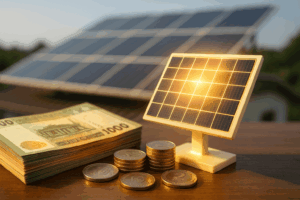
When generation exceeds consumption, the credits you earn can translate into actual revenue. For farmers or businesses, this can offset operational costs.
3. Energy Independence ⚡
Instead of being at the mercy of fuel price fluctuations, you take control of your own energy generation.
4. Eco-Friendly Impact 🌱
By exporting clean solar power, you help reduce carbon emissions and contribute to a healthier environment.
Who Can Benefit from Solar Net Metering?
- Homeowners with rooftop space looking to cut household bills.
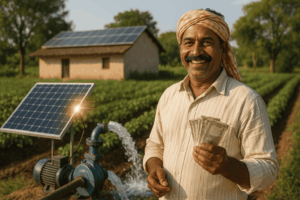
- Farmers who run pumps and machinery and want to offset their energy costs.
- Businesses aiming for greener operations and long-term cost savings.
- Institutions like schools, hospitals, or places of worship that use large amounts of electricity during the day.
How Does the Process Work?
- Install Solar Panels – A certified installer sets up panels, inverters, and wiring on your rooftop.
- Connect to the Grid – The system links with the national grid via a meter.
- Generate & Export Power – Panels generate power, and any excess flows into the grid.
- Earn Credits or Revenue – Your meter tracks exports, and you get bill credits or payments depending on your usage.
Challenges to Consider
- Upfront Costs – Although panels are an investment, financing options and long term savings make them worthwhile.
- Policy Differences – Net metering rules may vary, so it’s important to check local regulations.
- Maintenance – Panels require cleaning and occasional servicing to maintain efficiency.
Why Choose Deep Tec for Solar Net Metering?
At Deep Tec, we’ve spent over a decade helping Sri Lankan farmers, businesses, and homeowners adopt clean energy solutions. From irrigation to rooftop systems, we understand how to design solar projects that maximize savings and ensure long-term reliability.
👉 Explore our guide on The Shocking Real Cost of Using Diesel Pumps for Irrigation in 2025 to see how solar compares to traditional energy options.
External Resources
Conclusion: From Roof to Revenue
Solar net metering is more than a technology it’s a financial strategy. By transforming your roof into a power generating asset, you save money, secure an extra income stream, and contribute to a greener future.
For anyone in Sri Lanka whether a farmer, business owner, or homeowner 2025 is the right time to move from roof to revenue.
;)
;)