;)
;)



Jun 06, 2025
Keep your solar investment performing at its best with these expert tips
Sri Lanka is one of the best countries for solar energy production thanks to its consistent sunlight. However, the tropical climate brings unique challenges like humidity, heat, rain, and dust. Without regular solar panel maintenance in Sri Lanka, these conditions can reduce your system’s efficiency by up to 30%.
Whether you have an on-grid or hybrid system, these 7 expert tips will help you maintain long-term energy output and protect your solar investment. Consistently following a plan for solar panel maintenance in Sri Lanka helps ensure cleaner energy and greater savings.
Dust, bird droppings, heavy rains, and salt air (especially in coastal areas) can degrade panel surfaces, reduce energy absorption, and damage system components. Proper solar panel maintenance in Sri Lanka ensures:
Neglecting it can lead to inverter faults, efficiency drops, and safety hazards. This is why regular cleaning and inspection is not just optional it’s essential.

Panel damage, water pooling
Connector deterioration
Light obstruction, overheating
Rusted mounts and frames
If you’re searching for the best maintenance tips for on-grid solar systems in Sri Lanka, these practical suggestions will keep your system running at peak performance.
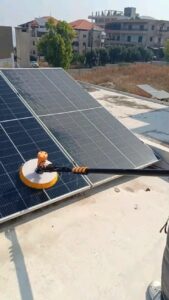
Dust, bird droppings, and air pollution are major contributors to energy loss. Use a soft microfiber cloth or non-abrasive sponge with plain water. Avoid strong chemicals or pressure washers.
📌 Pro Tip: Clean early in the morning or late evening to prevent thermal shock.
Regular cleaning is the cornerstone of solar panel maintenance in Sri Lanka, especially in dusty regions like Anuradhapura or dry seasons. These solar panel cleaning tips apply across all climates but are especially critical for tropical conditions.
Overhanging branches cause shade and drop leaves or sap on panels. This directly affects your solar panel efficiency in Sri Lanka. Trim trees every few months, especially in fast-growing regions like Kandy or Ratnapura.
Droppings block light and can cause hot spots. Install anti-bird mesh, spike strips, or solar panel critter guards. Inspect more frequently between March–July (nesting season in Sri Lanka).
Homes near Galle, Negombo, or Trincomalee are exposed to salt-laden air. Apply marine-grade anti-corrosion coating and inspect frames and joints annually.
🔍 Refer to NREL guidelines on coastal degradation.
The inverter is the brain of your system. A green light = normal, red or blinking = issue. Check daily or use the inverter app to log production.
🧠 Visit energy.gov for inverter care tips.
Ensure roof gutters are clear and water doesn’t pool under panels after rain. Mold, algae, or waterlogging can damage roof structures and mounts.
Only trained solar professionals can:
⚖️ Deep Tec provides 2 FREE professional services per year under standard installations. Book your next visit before the monsoon.
The U.S. Department of Energy provides a helpful solar panel maintenance guide for keeping systems efficient.
| Task | Frequency |
|---|---|
| Clean Panels | Every 6 months |
| Tree Trimming | Quarterly |
| Inverter Check | Weekly |
| Pro Inspection | Annually |
If you live in a dusty inland region like Anuradhapura, you may need monthly cleaning for optimal performance.
These are warning signs your solar panel maintenance in Sri Lanka may be overdue.
Yes, but use a soft cloth or sponge, and avoid going on the roof during hot hours or after rain. Safety first!
Rain helps, but tropical climate solar care requires removing stuck-on dirt, bird droppings, and leaves manually.
Keep it dust-free, check cables for rust, and monitor output regularly. Some inverters also need firmware updates.
Use marine-grade mounts, inspect metal annually, and apply protective coatings as needed.
Yes—they include batteries. Besides solar panel care, you must also check battery levels, terminals, and health reports.
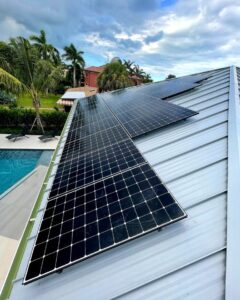
Proper solar panel maintenance in Sri Lanka is not optional it’s essential. With consistent care, your system will last for decades while delivering strong savings and sustainability.
In a tropical climate, even basic solar energy tips like timely cleaning and trimming trees can prevent major efficiency loss.


